Salesforce implementation for B2B sales teams.
A new org, or a rebuild of one that never fit. We set up the data model, the sales process, the data and the reports around how you sell, then hand it over documented.
- The founders do the work
- Designed before it is built
- Clean data loaded
- Scoped before work begins
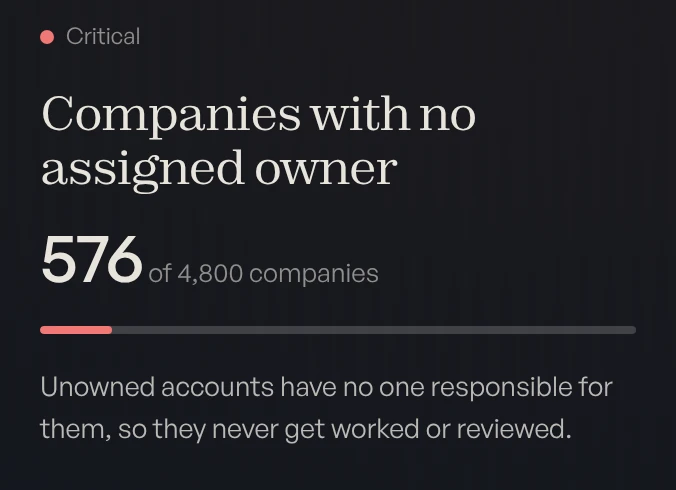
Salesforce is where your team will work. Atlas is our platform. It measures the data before it goes in and again after launch. See Atlas →
We work in


What does a Salesforce implementation involve?
Four stages. The design is agreed in writing before anything is built, and the data is cleaned before it is loaded.
Before the build
Design
We map how you sell: stages, objects, fields and who owns what. If you have a CRM today, the free Diagnostic scores its data first.
You holdA written design, agreed before the build.In a sandbox
Build and load
Objects, fields, page layouts, validation rules and flows are built in a sandbox. Your data is cleaned, then loaded.
You holdA working org with your data in it.After go-live
Systems
Forecasting, dashboards, lead routing and integrations, built on the new data model.
You holdReports your leaders run the business on.Then
Handoff
Everything is documented in your own org and your admin is trained to run it.
You holdAn org your team owns.
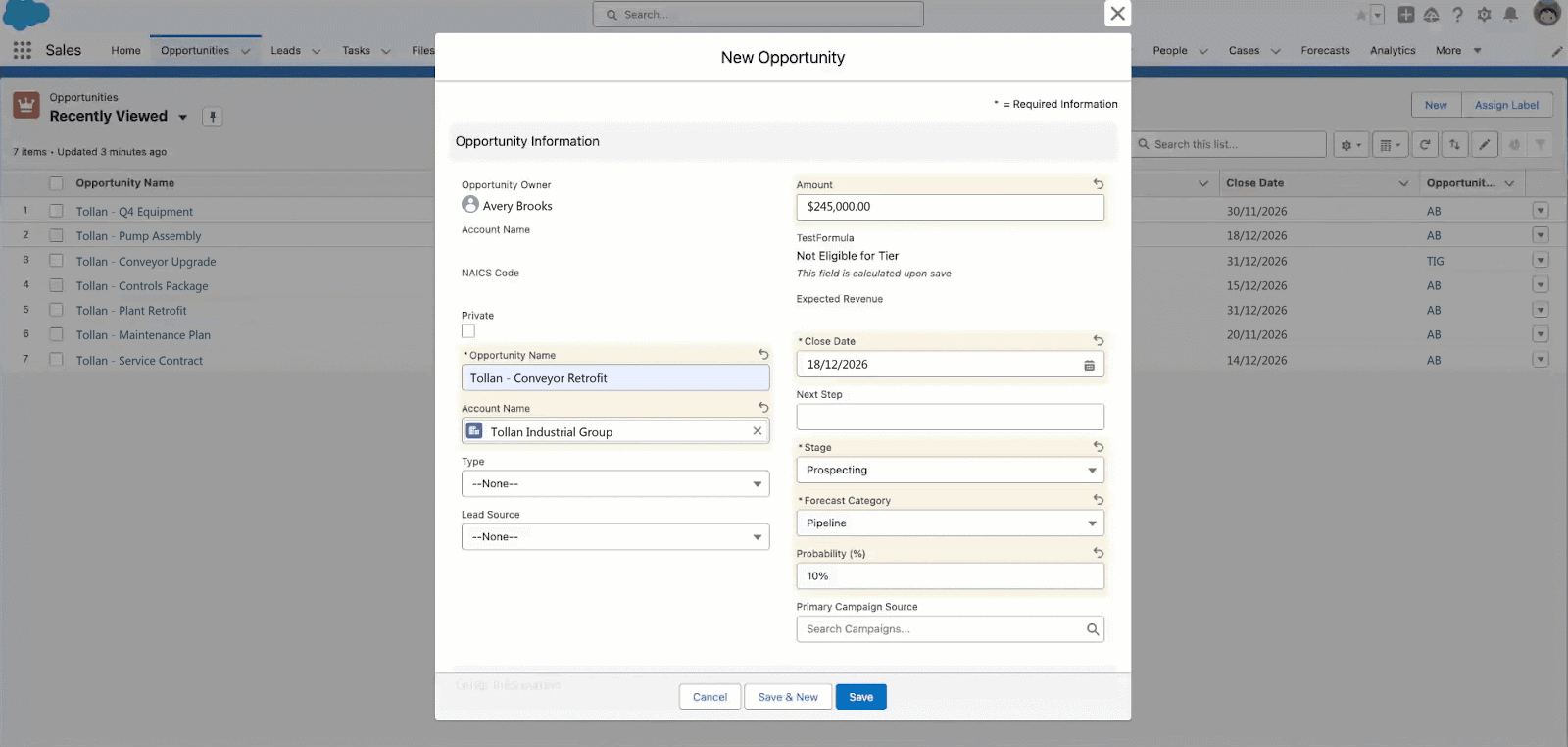
One opportunity record. Four decisions behind it.
Most of an implementation is deciding what a record should ask of a rep. These four decide whether your forecast can be trusted.
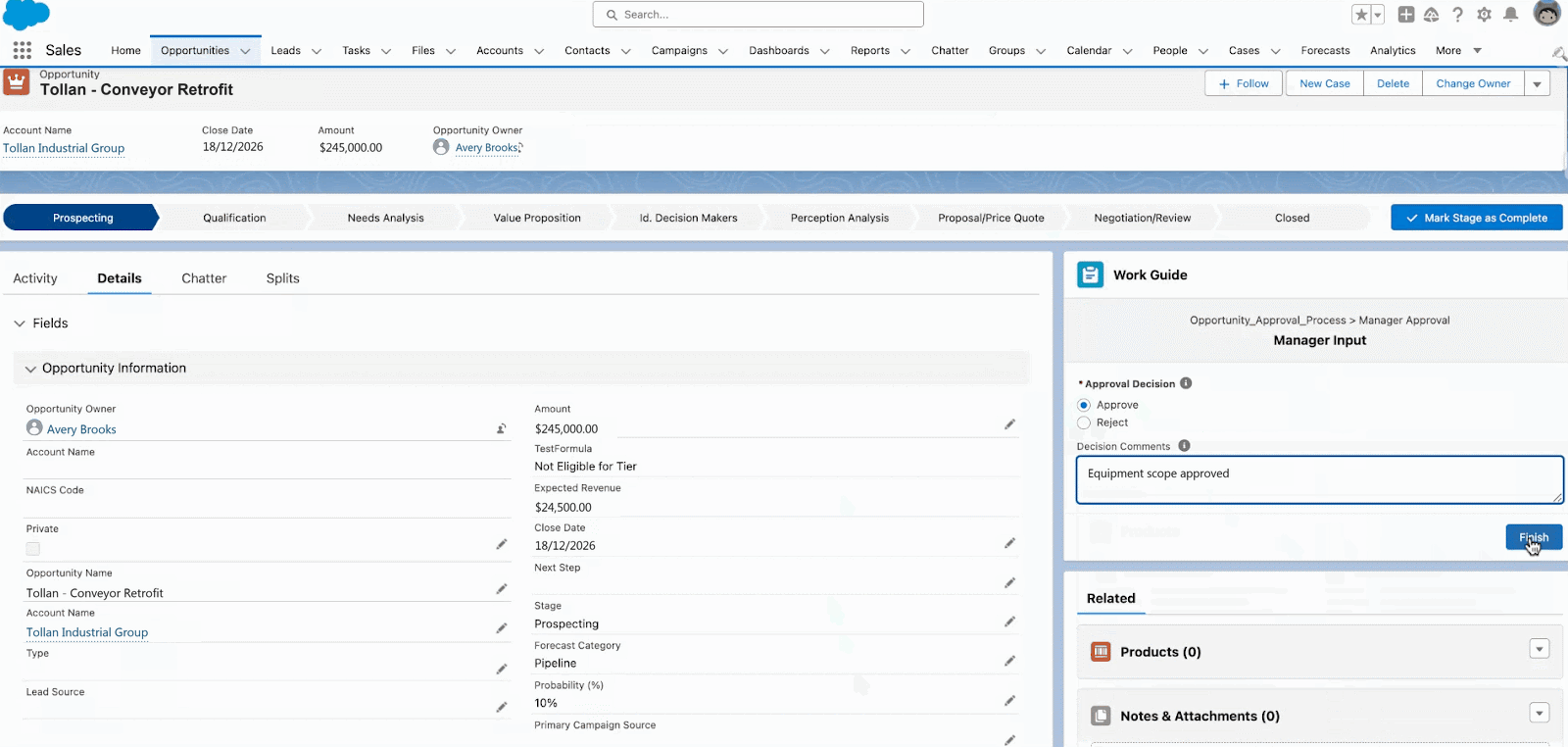
- Sales stagesThe path matches how your deals move.
- ApprovalsExceptions go to a manager inside the record.
- Forecast categoryCommit means the same thing for every rep.
- OwnershipOne owner per record, who still works here.
What changes from out of the box?
Salesforce ships with defaults written for no company in particular. An implementation replaces them with your own rules.
Sales stages
Default stages and default names.
Your stages, each with what must be true to enter it.
Stage odds
A default percentage on every stage.
Odds set from your own closed deals.
Leads
Every new person is a lead until someone converts it.
A written rule for when a lead becomes a contact and an opportunity.
Duplicates
Standard matching rules and an alert reps click past.
Matching rules tuned to your data, checked when a record is created.
How does your data get into Salesforce?
Cleaned first, then mapped, then loaded in stages. Whatever you load on day one is what your team inherits.
- Cleaned before it loadsDuplicates are merged and dead fields dropped at the source.
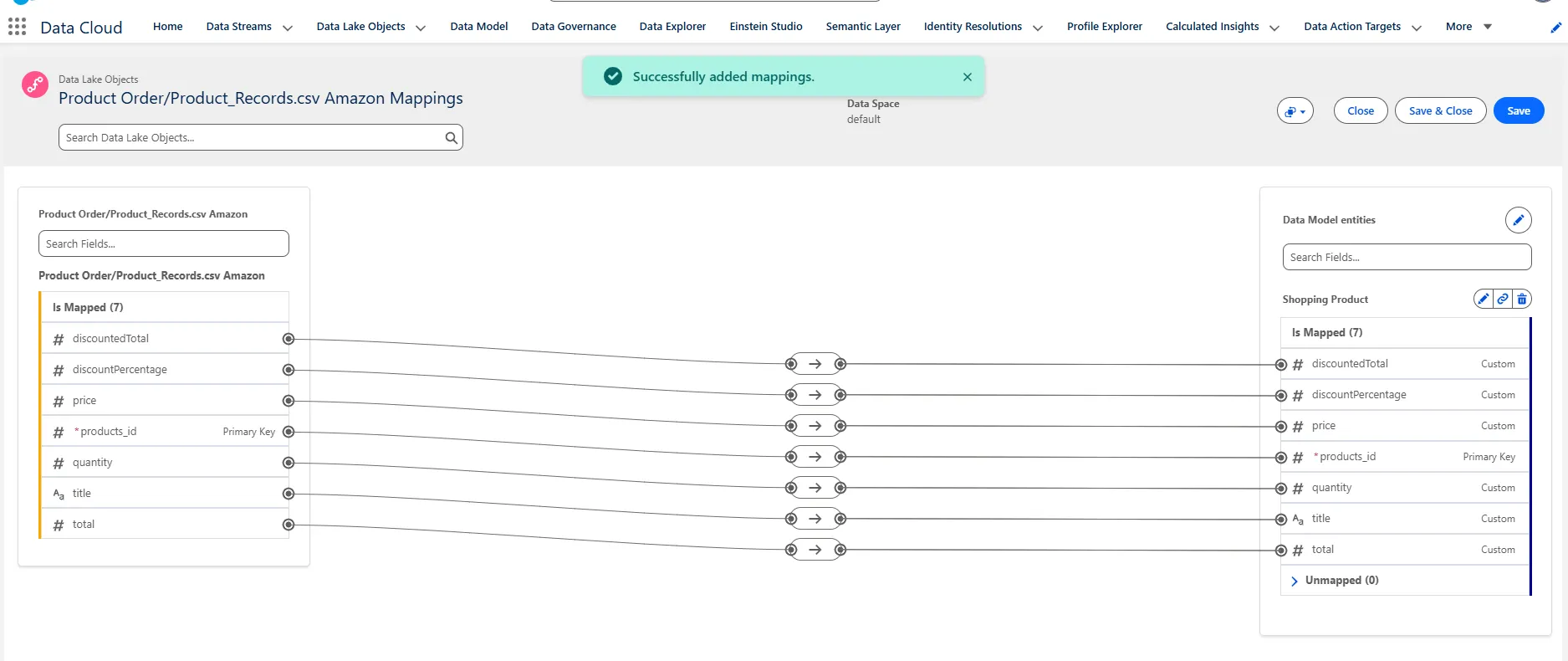
- Mapped field by fieldEach source column gets a target field, or a decision to leave it behind.
- Tested on a sampleA small load is checked against the source before the full one runs.
Three decisions to make before you implement.
Settle these before you sign a Salesforce contract. Each one changes what gets built.
Moving from HubSpot? Read this firstWrite down your sales stages.
List the stages a deal goes through and what has to be true to enter each one. If two leaders disagree, settle it now. The org can only enforce one answer.
Decide what counts as a lead.
Salesforce keeps leads apart from contacts and accounts. Agree when a person stops being a lead, and who converts them.
Name the person who owns Salesforce.
Someone has to approve new fields and automation after go-live. Without an owner, the org fills with fields nobody uses.
Salesforce implementation questions.
How much does a Salesforce implementation cost?
How long does a Salesforce implementation take?
Can you fix a Salesforce implementation someone else did?
Do you move our data in from another CRM?
Who does the implementation?
What do we have when it ends?
Find out what your CRM already knows.
Book a free, read-only diagnostic. We connect to your CRM, run 40+ checks across data quality, pipeline hygiene and ICP fit, and deliver a scored report within hours. Then we walk you through every finding live.
Book your free diagnostic